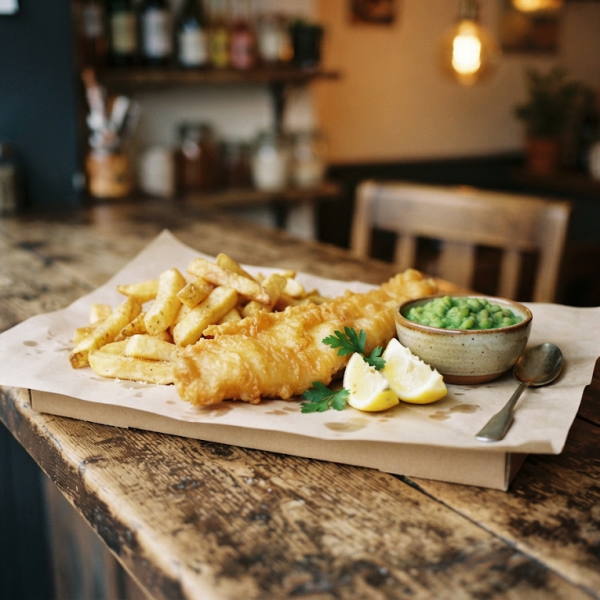
A plate of fish and chips looks simple, but the information around it is not. Customers want to know what is in the batter, which oil is used for frying and whether the sauce contains mustard, milk or gluten. For a food business, a missing allergen warning is not a small slip, it is a safety risk and a legal problem. When a business serves tourists, sells packaged food abroad or runs a shop with foreign customers, labels and menus must also be understandable in other languages. Allergen information must be clear in the language the customer reads, because a warning that cannot be understood protects nobody. This guide explains how to handle food labels and menus across languages.
Why Food Information Is Regulated
Food allergies can be life threatening, so many countries require businesses to provide clear information about certain ingredients. In Great Britain, the Food Standards Agency explains the rules for the most common allergens and how they must be shown on menus and packaging in its official food safety guidance. European and international rules are similar in principle, but they differ in detail, including which substances must be listed and how they must be presented. Check the rules of every market where you sell.
The Core Allergen List
Typical lists include cereals containing gluten, crustaceans, eggs, fish, peanuts, soybeans, milk, tree nuts, celery, mustard, sesame, sulphur dioxide, lupin and molluscs. Some countries add or remove items. A fish and chips shop deals with several of these at once: fish in the main dish, gluten in the batter, egg in some sauces and mustard in condiments. When you translate a menu, each allergen term must be exact, since a near synonym may refer to a different ingredient.
Menus for Tourists
Many restaurants add a foreign language menu to attract visitors. Machine translations often produce odd dish names or mistakes in ingredients, which can be funny, but they can also be dangerous. Ask a translator with food experience to adapt dish names, explain regional terms and mark allergens in a consistent way. Use icons or codes if space is limited, and add a legend in each language. Train staff to answer basic questions and to say when they do not know.
Packaged Food and Exports
Selling packaged food abroad means that labels must follow the rules of the destination. The language, the order of ingredients, nutrition tables, units, storage instructions and the name and address of the responsible business may all differ. Polish consumers, for example, expect labels in Polish, and national rules on how to present certain information can differ from other countries. A specialist offering polish translation service can adapt ingredient lists, allergen statements and storage instructions so that they meet local expectations and keep the exact meaning of the original.
Mind the Details of Ingredients
Ingredient names often change between countries. Flour, starch, additives and flavourings may be described with local terms or codes. Be careful with words such as may contain, free from and suitable for, which have specific legal meaning. A translator should not choose a stronger or weaker phrase than the original. Provide the recipe, supplier specifications and your own risk assessment, so that the translator understands what each statement is based on.
Other Mandatory Information
Besides allergens, labels may need to show the date of minimum durability, the batch number, the country of origin, instructions for use, the net quantity and the contact details of the business. Safety warnings are particularly important. For a closer look at the product safety rules that apply to goods sold in the European Union, read this guide to GPSR translation requirements, which explains what information must be provided in the local language.
Layout and Space
Translations are often longer than the English text, and labels have limited space. Plan the design with extra room, or use a larger label with a clear hierarchy. Keep allergens highlighted, for example in bold, as the rules in many countries require. Check that the final proof is readable, with enough contrast and a font size that meets the legal minimum. Ask the translator to review the proof, not only the text file.
Staff Training and Daily Practice
Even the best printed information fails if staff do not know it. Train employees to explain allergens, to avoid guessing and to check the recipe when a customer asks. Keep a folder with up to date ingredient lists in every language you serve. Update the folder whenever a supplier changes a product, and remove old versions immediately. Customers trust businesses that treat questions about food safety seriously.
Review and Update Regularly
Recipes change, suppliers change and regulations change. Review menus and labels at least twice a year, and whenever you introduce a new dish or product. Keep a record of translated texts and approved terms, so that updates are quick and consistent. With careful translation and good habits, your customers can enjoy your food with confidence, wherever they come from and whatever language they speak.